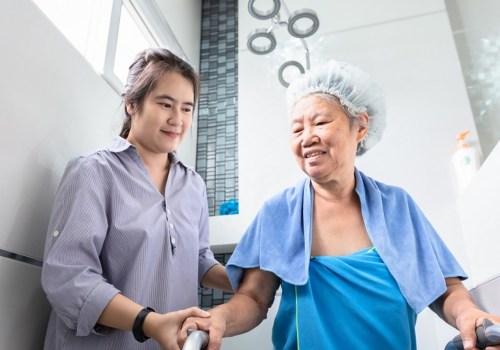
To be a paid caregiver near Rockland DE, you must · Pass a criminal background check at the state and federal (FBI) levels. Some states require employers to offer family leave programs, and some programs pay you to care for a family member in Home Care near Rockland DE. Eligibility requirements, the amount you'll receive to provide care, and how long you can be away from work vary by state. For more information about Home Care near Rockland DE, contact your state's labor office. Training programs should focus on the skills needed to provide quality care in Home Care near Rockland DE and also empower caregivers in the ability to observe, communicate and report information about the patient's condition to the family, the agency and other caregivers in Home Care near Rockland DE. To be a paid caregiver near Rockland DE, you must · Pass a criminal background check at the state and federal (FBI) levels. Some states require employers to offer family leave programs, and some programs pay you to care for a family member in Home Care near Rockland DE. Eligibility requirements, the amount you'll receive to provide care, and how long you can be away from work vary by state. For more information about Home Care near Rockland DE, contact your state's labor office. Training programs should focus on the skills needed to provide quality care in Home Care near Rockland DE and also empower caregivers in the ability to observe, communicate and report information about the patient's condition to the family, the agency and other caregivers in Home Care near Rockland DE.
The Alabama Community Transition Program (ACT) provides people with disabilities or chronic illnesses who live in a nursing facility and who want to return to a home or community environment the opportunity to do so, providing care planning and case management services. To be eligible, the person must have been in the nursing facility for 90 days or more. You must also move to the community within 180 days. The caregiver and the person receiving care must live in the same home. There are no financial eligibility requirements for the Caregiver Support Program.
However, the amount of the reimbursement is based on the total gross income and household size of the person receiving the care. The reimbursement percentage is determined using a sliding scale based on current federal poverty level (FPL) guidelines and covers the household income of the person receiving care up to 380% of FPL. The Community HealthChoices Program is a Medicaid managed care program that serves eligible adults 21 years of age and older (who are eligible for both Medicare and Medicaid) or people who require specialized nursing care (and who might otherwise be eligible for a nursing home). It is designed for older adults who do not require the same level of care in a nursing home, but do need assistance to continue to live independently in their homes.
Some states, such as Washington and New Jersey, require that any caregiver who will provide practical personal care, such as going to the bathroom, grooming or feeding, meet training standards similar to those established by Medicare for home health aides. “Family Home Care” reimburses family caregivers who meet kinship requirements defined by state law and reside in the client's home 24 hours a day. Funded by the Long-Term Services and Supports Division, the program offers services that allow eligible beneficiaries to stay in their homes instead of needing care in a nursing home, such as assistance with daily activities, such as bathing and grooming, shopping, preparing meals and other housekeeping services, and more. The Senior Exemption Program (EW) is an exemption program that funds home and community services for people age 65 and older who want to live in the community but require the level of care provided in a nursing home.
The NCW provides funding for support services, including housewife services, home modifications necessary to ensure accessibility, home dining, non-medical transportation, and other services, such as companion care and day services for adults. Courses cover several topics, including basic first aid, understanding health care plans, administering medications, and understanding people's emotional and psychological needs who need attention. Participants work with a county social worker and a medical professional to determine the level of care required and create a personalized care plan, including the number of hours of assistance they need each week. Care recipients cannot move to a family member's house, but they can move to a friend's house as long as they are eligible to provide the necessary services and pass background and safety tests.
Other programs available in Vermont (without consumer-facing options) are the Vermont Shared Housing Program, which allows older adults who need assistance to have roommates who can provide them with the necessary assistance, and the Vermont Access to Housing Program, which offers help with making modifications to the home. Individual providers who care for a family member may have shorter training requirements and may not need to receive home care assistant certification based on their relationship. Anyone who meets the requirements of the program can be a personal care assistant; however, a curator cannot be a personal care assistant. The Medicaid Personal Care Assistance (PCA) exemption program allows people with a physical disability who need practical help to perform at least two activities of daily living (ADL) to receive a personal care assistant.
The Office of Long-Term Care is responsible for ensuring that providers of these home and community exemption services comply. with enrollment requirements.